Budget 2–3 hours for a solid self-guided visit, or closer to 3.5 if you read extensively, pause at the café, and linger in the temporary galleries. A guided visit usually takes about 2 hours, but it moves faster because an expert narrows 30,000 objects to the pieces that matter most.
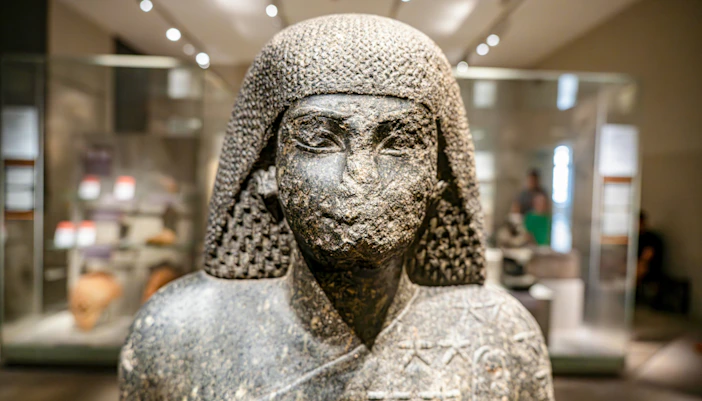
Cool air, low light, and rows of stone faces make the first minutes inside Museo Egizio feel less like entering a museum and more like stepping into a carefully staged archive of another civilization. The scale sneaks up on you: tiny amulets in one room, colossal pharaohs in the next.
The museum took shape in 1824, when Turin’s royal collections and later Italian excavations were brought together to study ancient Egypt seriously, not just display it. That scholarly backbone is why the galleries feel so coherent, even with 30,000 objects spread across multiple floors.
What stays with most visitors is the shift from spectacle to intimacy. You don’t just see statues and sarcophagi; you start noticing handwriting on papyri, tools packed for the afterlife, and the private logic of a world built around eternity.
Skip it if: you dislike dim galleries, mummies, or museums that reward slow looking more than fast sightseeing.
What to see at Museo Egizio?
1/9
The history of the collection
Start here for the museum’s origin story, from royal collecting to archaeological missions. It gives the rest of the visit shape and helps explain why Turin became a world center of Egyptology.
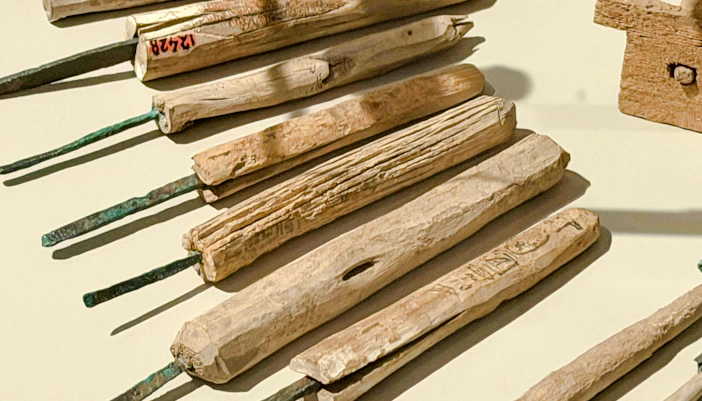
Tomb of Kha and Meryet
One of the museum’s defining rooms, with chests, tools, linens, jars, and funerary objects from an intact 18th-century tomb. Visitors routinely spend the longest here because the assemblage feels startlingly personal.
Deir el-Medina collection
This section widens the story beyond royalty. You see the working lives of artisans, scribes, and households, which makes ancient Egypt feel built by people, not only by pharaohs.
Papyri and the Turin King List
The papyrus rooms reward slow looking. Fragments here helped scholars reconstruct dynasties and everyday writing practices, and they’re easier to appreciate before the later galleries get busier.
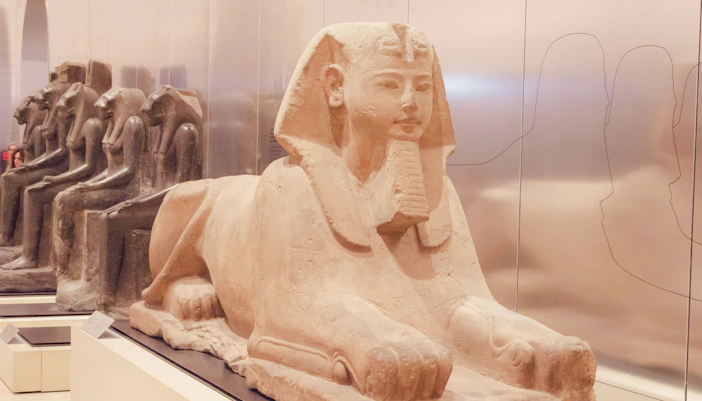
Gallery of the Sphinx
Look for the limestone sphinx and seated royal and divine statuary nearby. This is where the museum’s scale shifts upward, from handheld objects to carved power meant to dominate space.
Hall of Kings
This is the visual climax: towering statues, darkened staging, and mirrored walls that amplify scale without feeling theatrical. Come later in the visit so the room lands as a finale, not just another sculpture hall.
Temple of Ellesiya
An authentic New Kingdom temple, relocated to Turin after the Nubian rescue campaign. It takes only a few minutes to see, but standing inside it changes the museum from collection to encounter.
Nefertari Gallery
This newer gallery brings together funerary furniture and grave goods linked to Queen Nefertari. If you care about royal burials, give it 15–20 minutes; special displays here can attract concentrated crowds.
Egyptian Garden
The rooftop garden is brief but useful. After dense galleries and low light, the planted terrace gives you room to reset before heading back inside or out into Piazza Castello.
Turn remarkable artifacts into a meaningful story
From royal statues and funerary treasures to centuries-old papyri, a guided tour helps you understand how Museo Egizio's most important exhibits fit together within the broader story of ancient Egypt.
How to explore the Museo Egizio
Brief history of Museo Egizio
- 1824: The Museo Egizio is formally founded when the House of Savoy acquires Bernardino Drovetti’s Egyptian collection and installs it in Turin.
- 1824: Jean-François Champollion studies the holdings here and famously declares that the road to Memphis and Thebes passes through Turin.
- 1903–1920: Director Ernesto Schiaparelli’s excavations in Egypt bring back major finds, including the intact tomb assemblage of Kha and Meryet.
- 1960s: After Italy helps rescue Nubian monuments threatened by the Aswan High Dam, Egypt gifts the Temple of Ellesiya to the country.
- 2015: The museum reopens after a major redesign, with new chronological galleries, improved accessibility, and more immersive interpretation.
- 2024: Museo Egizio marks its bicentenary and opens the Nefertari Gallery, returning attention to one of its most celebrated royal collections.
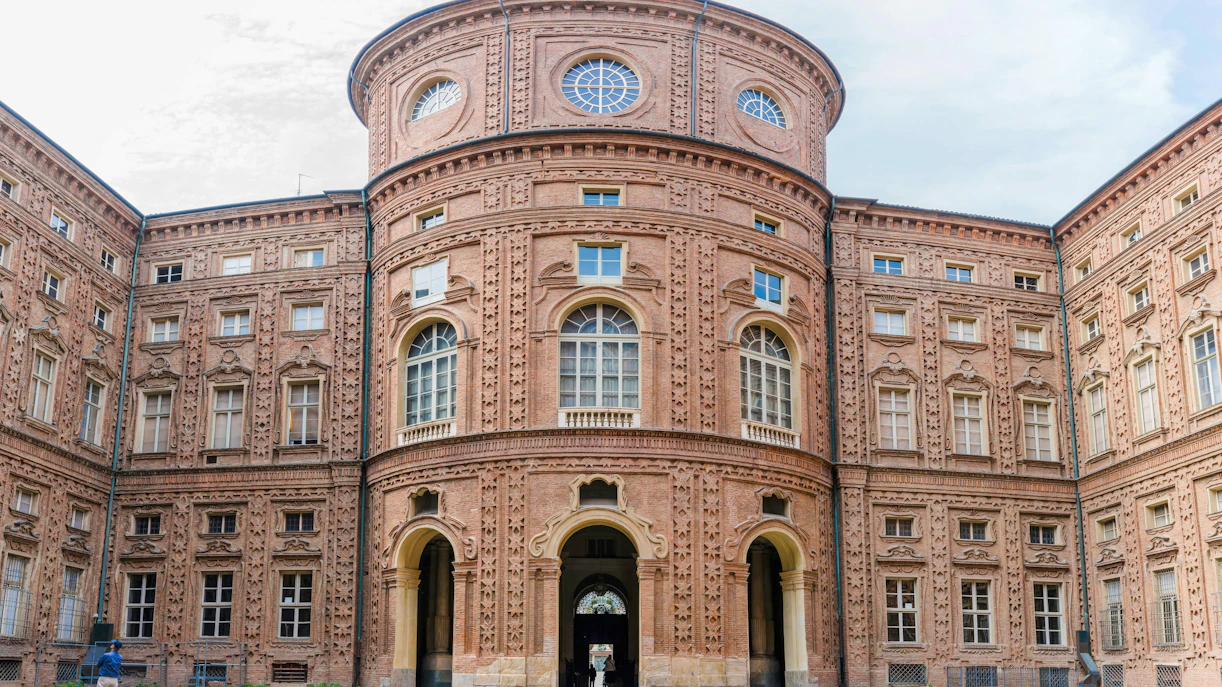
Architecture of the Museo Egizio
Who built Museo Egizio?
Museo Egizio exists because 2 ambitions overlapped: Bernardino Drovetti’s drive to assemble Egyptian antiquities and the House of Savoy’s desire to turn Turin into a serious center of scholarship. When the museum was founded in 1824, it was conceived as a place for study as much as display.
The museum’s later identity was shaped by Ernesto Schiaparelli, the director-archaeologist whose excavations in Egypt brought back the Kha and Meryet assemblage and other defining finds. He pushed the institution beyond collecting toward context, which is why the galleries still feel research-driven rather than decorative.
More than a museum: A thoughtfully curated experience
Museo Egizio stands out not just for what it owns, but for how carefully it manages the visitor experience. Human remains are clearly signposted, so you can choose what to engage with. Multilingual audio support is included, scent stations add context to daily life and ritual, and the café sits mid-visit rather than at the exit, which makes a long museum session easier to pace. For a collection this deep, that design empathy matters: it lets first-timers stay curious instead of overwhelmed.
Frequently asked questions about Museo Egizio
Yes. Museo Egizio is one of the few museums where ancient Egypt feels both monumental and human-scale, and a guided visit saves real time. Book a guided tour if you want context without ticket-line friction.
Most visitors need 2–3 hours. Plan closer to 3 if you read labels, pause at the café, or add temporary galleries; a guided tour is usually tighter at about 2 hours because it cuts straight to the major rooms.
Do not leave without seeing the Tomb of Kha and Meryet, the Hall of Kings, and the Temple of Ellesiya. If royal burials interest you, check whether the Nefertari Gallery is open during your visit window.
Yes, especially for children old enough to focus for 90 minutes or more. The layout is clear, the audio support helps first-timers, but some rooms contain mummies and human remains, so sensitive younger children may need a shorter route.
Yes. Timed entry is standard, and the museum is strict about slot times, so booking ahead matters even on quieter days. The Museo Egizio Skip-the-Line Guided Tour or Torino + Piemonte Card are the easiest Headout options to plan around.
Early morning is the best bet if you want space in the Kha rooms and cleaner photos in the Hall of Kings. Weekdays feel calmer than weekends, while spring and autumn usually bring the heaviest museum traffic.